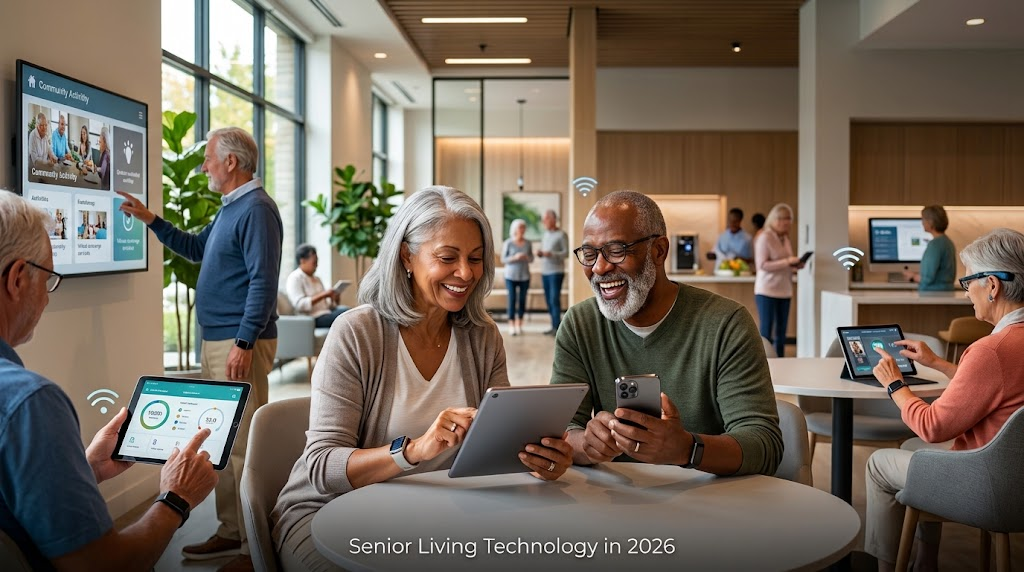
For senior living communities, WiFi is no longer simply a convenience. It has become essential infrastructure supporting resident communication, entertainment, staff workflows, and connected technology. Residents expect to stay connected with family, access online services, stream entertainment, and use smartphones, tablets, and other devices without constant connectivity problems.
As these expectations grow, communities need to think beyond simply having an internet connection. Reliable senior living WiFi requires the right coverage, capacity, security, management, and ongoing support. Choosing managed WiFi for senior living communities can help operators build a dependable connectivity foundation for current and future technology needs.
Why Is Reliable WiFi Important in Senior Living Communities?
Reliable WiFi supports many everyday activities for residents and staff. Residents may use connectivity for video calls with family, streaming entertainment, messaging, online shopping, virtual activities, and other digital services.
Staff may also depend on wireless connectivity for communication, mobile devices, digital workflows, and operational technology.
When WiFi is unreliable, the impact can extend beyond a slow internet connection. Residents may struggle to connect with loved ones or access entertainment, while staff may experience interruptions in technology-dependent tasks.
For this reason, connectivity has become an important part of the overall resident and staff experience. It also provides the foundation for many of the technologies communities use today.
How Much WiFi Bandwidth Does a Senior Living Community Need?
There is no universal bandwidth requirement for every senior living community. The appropriate capacity depends on factors such as the number of residents and staff, connected devices, property size, building layout, streaming activity, and peak usage.
It is also important to distinguish internet bandwidth from WiFi capacity. A community can have a fast internet connection but still experience poor wireless performance if the network cannot handle the number of users and devices connecting at the same time.
Effective senior living WiFi solutions should therefore be planned around actual usage. Communities looking for senior living internet solutions should consider not only internet speed but also WiFi coverage, network capacity, security, and ongoing management.
Coverage and capacity both matter. A WiFi signal may reach a room or common area, but performance can still suffer when many devices are competing for network resources. Professional network planning considers user density, device demand, building materials, access-point placement, and areas where connectivity is most important.

What Is Managed WiFi for Senior Living?
Managed WiFi means the wireless network is professionally designed, configured, monitored, and supported instead of being treated as a one-time installation. Depending on the service, management may include network design, equipment configuration, monitoring, updates, cybersecurity, troubleshooting, and ongoing technical support.
For senior living operators, this approach can reduce the burden of managing network infrastructure internally. It can also provide greater visibility into network performance and help address problems as they arise.
CSS provides WiFi services designed around senior living environments, helping communities plan connectivity based on their property, users, and technology requirements. The goal is not simply to provide internet access but to create a reliable network that supports residents, staff, and connected technology throughout the community.
Should Resident WiFi and Staff WiFi Be Separate?
In many senior living environments, separating resident and staff network access is an important consideration. Residents, employees, guests, and connected devices can have different access requirements. Separate network environments or appropriate segmentation can help control access and manage different types of traffic.
For example, residents and guests may use one network while staff and operational devices use another. Certain connected technologies may also require dedicated network segments.
Network separation does not replace comprehensive cybersecurity, but it can provide an additional layer of control. The right configuration depends on the community’s technology environment and should be determined as part of a professional network design.
How Can Senior Living Communities Improve WiFi Coverage?
Improving coverage starts with understanding how the network performs throughout the property. A professional assessment can identify weak-signal areas, interference, capacity concerns, and locations where additional infrastructure may be needed.
Communities should consider resident rooms, hallways, dining areas, lounges, offices, activity rooms, and outdoor spaces where connectivity may be important.
Access-point placement also matters. Simply adding more equipment does not automatically create a better network. Building materials, physical layout, user density, and expected demand all influence network performance.
Ongoing monitoring is equally important. Resident device usage, staff workflows, and connected technology can change over time. Regular monitoring can help communities identify performance issues and determine when network capacity or configuration needs attention.

WiFi Is the Foundation for Senior Living Technology
Reliable connectivity supports much more than internet browsing. Smart TVs, mobile devices, communication tools, digital services, and other connected technologies all depend on a network capable of supporting their requirements.
That makes WiFi an important foundation for broader senior living technology solutions.
When communities evaluate new technology, the underlying network should be part of the conversation. A technology solution may work well on paper but deliver limited value if the network cannot reliably support it.
Planning connectivity as part of the overall technology strategy can also make it easier to introduce new systems as community needs evolve.
Entertainment is another important consideration. Services such as DIRECTV for senior living can provide familiar television programming in resident rooms and shared spaces, while reliable WiFi supports other connected devices and digital services.
What About WiFi for Assisted Living Facilities and Nursing Homes?
The requirements for WiFi for assisted living facilities and WiFi for nursing homes can vary based on property size, building design, number of users, and technology in use.
Residents may rely on connectivity for communication and entertainment, while staff may use wireless devices and connected systems for daily tasks. This makes coverage, capacity, security, and ongoing management important considerations.
When evaluating technology for assisted living communities, operators should consider both current requirements and future needs. A network designed specifically around the property can provide a stronger foundation than a basic setup that was never intended to support a high-density environment.
How Can Communities Prepare WiFi for Future Technology?
Technology requirements will continue to evolve. Communities may introduce additional connected devices, digital services, smart technology, and other systems that depend on reliable connectivity.
Preparing for future needs does not mean predicting every technology a community will use. Instead, operators can focus on building flexible infrastructure with appropriate capacity, coverage, security, and management.
A scalable network can make it easier to introduce new technology without requiring a complete redesign every time a community’s needs change.

Build a More Reliable Connectivity Foundation
Reliable WiFi is becoming an essential part of modern senior living infrastructure. Residents expect dependable connectivity for communication and entertainment, while staff increasingly rely on connected technology for daily operations.
The right solution goes beyond internet speed. Coverage, capacity, security, network management, scalability, and technical support all contribute to a dependable connectivity environment.
CSS works with senior living communities to plan, install, and support technology around the needs of their properties, residents, and staff. Its services include managed WiFi, entertainment, telecommunications, managed IT, and other technology solutions.
If your community is experiencing connectivity challenges or planning an infrastructure upgrade, request a senior living technology consultation to discuss your requirements and explore the right solution.
Frequently Asked Questions
Why is reliable WiFi important in senior living communities?
Reliable WiFi supports resident communication, video calls, streaming, smartphones, tablets, connected devices, and staff technology. As more everyday activities depend on connectivity, WiFi has become an important part of senior living infrastructure.
How much WiFi bandwidth does a senior living community need?
There is no universal requirement. Capacity depends on the community’s size, number of residents and staff, connected devices, building layout, streaming activity, and peak usage.
What is managed WiFi for senior living?
Managed WiFi is a professionally designed and supported wireless network. Services can include network design, monitoring, cybersecurity, troubleshooting, and ongoing technical support.
Should resident WiFi and staff WiFi be separate?
Separate network access can provide greater control over network traffic and access. The appropriate configuration depends on the community’s technology, security, and operational requirements.
How can senior living communities improve WiFi coverage?
Communities can start with a professional network assessment to identify coverage gaps, interference, capacity issues, and access-point placement requirements. Ongoing monitoring can then help maintain performance as needs change.