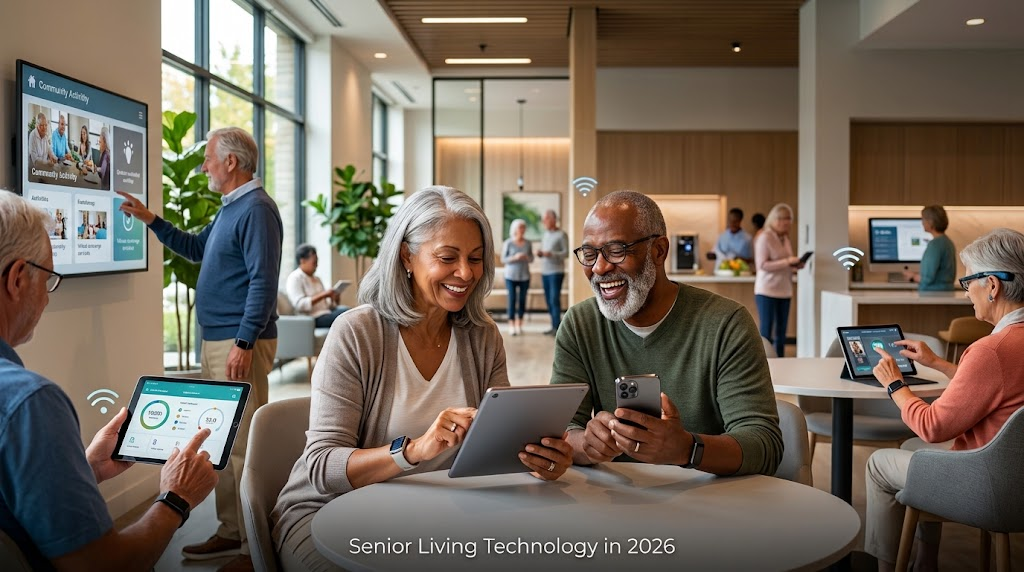
Senior living communities are relying on technology for more than entertainment and internet access. Today, connectivity supports communication, resident safety, staff workflows, nurse call systems, and many of the digital services residents expect.
As communities modernize, the biggest senior living technology trends are centered on reliable infrastructure, connected systems, smarter workflows, and better resident experiences.
For operators, the challenge is knowing which technologies deserve attention first and how to build a reliable foundation for future growth. CSS helps senior living communities plan, install, manage, and support technology through comprehensive senior living technology solutions.
What Are The Biggest Senior Living Technology Trends For 2026?
The biggest senior living technology trends for 2026 focus on stronger connectivity, smarter technology management, resident communication, and connected services.
Communities are increasingly looking beyond individual technology products. Instead, they need infrastructure that allows different systems to work reliably across independent living, assisted living, memory care, skilled nursing, and continuing care environments.
Key areas to watch include:
| Technology Trend | Why It Matters |
| Managed WiFi | Supports resident, staff, and connected technology needs |
| AI-enabled tools | Can assist with workflows, documentation, analysis, and automation |
| Nurse call systems | Supports resident safety and faster staff response |
| Connected care technology | Helps link systems, devices, and information |
| Managed IT | Provides ongoing technology oversight and support |
| Digital entertainment | Enhances resident experience and in-room connectivity |
| Telecommunications | Supports reliable communication throughout the community |
The broader shift is toward senior living technology that is easier to manage, more reliable, and capable of supporting multiple community needs from a connected infrastructure.

Why Is WiFi Infrastructure Important For Senior Living?
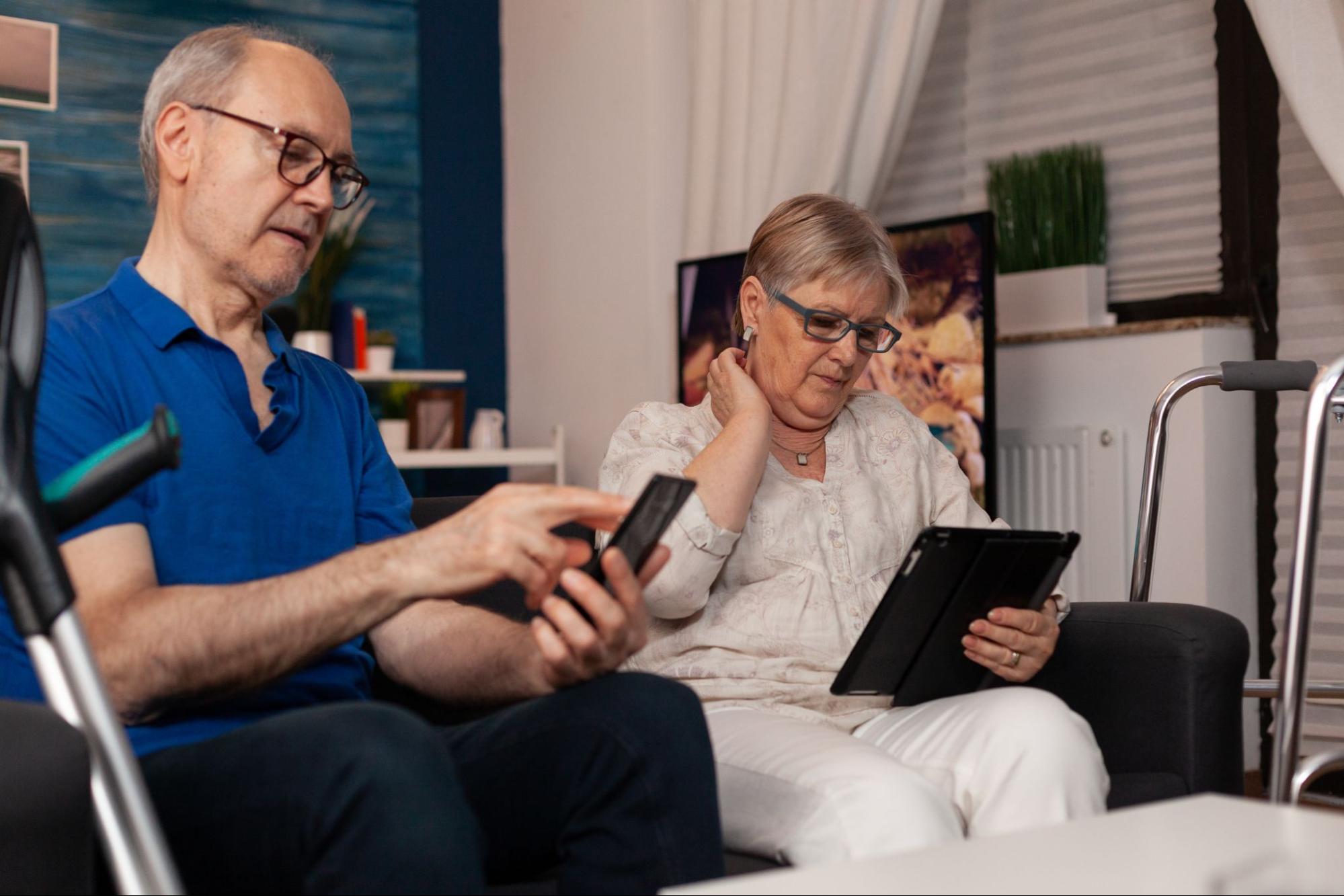
Reliable WiFi has become a core part of senior living infrastructure. Residents use wireless connectivity for phones, tablets, streaming, video calls, smart devices, and online services, while staff may rely on it for communication, documentation, mobile workflows, and other operational technology.
That makes WiFi more than a resident amenity. It supports many of the systems and services communities depend on every day, which is why understanding why WiFi infrastructure is important for senior living is becoming increasingly relevant as communities adopt more connected technology.
CSS provides managed WiFi for senior living with solutions designed for the needs of senior living environments. When evaluating WiFi, operators should consider coverage, capacity, security, network management, scalability, and ongoing support.
Strong infrastructure also makes it easier to add future technology for senior living communities without rebuilding the network from the ground up.
How Is AI Being Used In Senior Living Communities?
AI is becoming relevant across areas such as administrative assistance, data analysis, workflow automation, documentation support, and technology-enabled monitoring.
For senior living operators, the practical opportunity is not simply adding AI because it is a major technology trend. The focus should be on identifying tasks where automation or data-driven tools can reduce repetitive work or help staff access information more efficiently.
Potential applications include:
- Supporting administrative workflows
- Analyzing operational data
- Assisting with documentation
- Automating repetitive tasks
- Identifying patterns across large amounts of information
- Supporting communication and scheduling processes
These applications are part of the broader senior living tech trends 2026 landscape. However, AI should be approached alongside privacy, security, accuracy, integration, and staff training considerations. Communities should understand what a technology actually does before adding it to an existing technology environment.
Nurse Call Systems Support Connected Care
Nurse call technology remains an important part of the technology infrastructure in communities where resident safety and staff response are priorities. Modern nurse call systems can connect resident rooms and common areas with staff workflows, helping communities create more organized response processes.
The technology also needs to fit into the broader infrastructure. Reliable connectivity, appropriate installation, system maintenance, and technical support all contribute to dependable performance. CSS offers nurse call systems for senior living as part of its broader technology services for senior living communities.
For operators evaluating senior living IT solutions, nurse call should be considered alongside WiFi, telecommunications, resident safety technology, and other systems rather than as an isolated installation. The goal is a technology environment where essential systems can operate reliably while staff have the support they need to manage them.
Building A Practical Senior Living Technology Roadmap
Before adding new technology, operators should first consider their existing infrastructure, resident needs, operational priorities, and technology gaps. The answer depends on the property’s existing infrastructure, resident needs, operational priorities, and current technology gaps.
For many communities, the starting point should be the underlying infrastructure. Reliable WiFi, telecommunications, managed IT, and properly installed systems can create a foundation for additional technology.
A practical evaluation can include:
- Assess existing infrastructure: Identify network, communication, and system limitations.
- Prioritize resident and staff needs: Focus on technology that solves real operational or resident-experience challenges.
- Review integration requirements: Determine how new systems will work with existing technology.
- Plan for scalability: Select solutions that can support future community needs.
- Consider ongoing support: Installation is only one part of managing technology successfully.
This approach can help communities avoid adding disconnected products that become difficult to manage over time.
How Can Senior Living Communities Integrate Multiple Technology Systems?
As communities add more technology, integration becomes increasingly important. WiFi, nurse call, telecommunications, entertainment, managed IT, and other systems may have different technical requirements. Without a coordinated approach, communities can end up with multiple vendors, separate support processes, and technology that does not work together as efficiently as it could.
This makes integration an important consideration when developing a long-term technology strategy. CSS takes a comprehensive approach to senior living technology, providing professional planning, installation, and ongoing technical support. This can help operators evaluate technology as part of the community’s larger infrastructure instead of making decisions one system at a time.
Integration also means thinking about future needs. A community may not need every emerging technology today, but its infrastructure should be capable of supporting appropriate solutions as needs evolve.

Connected Senior Living Technology Improves The Resident Experience
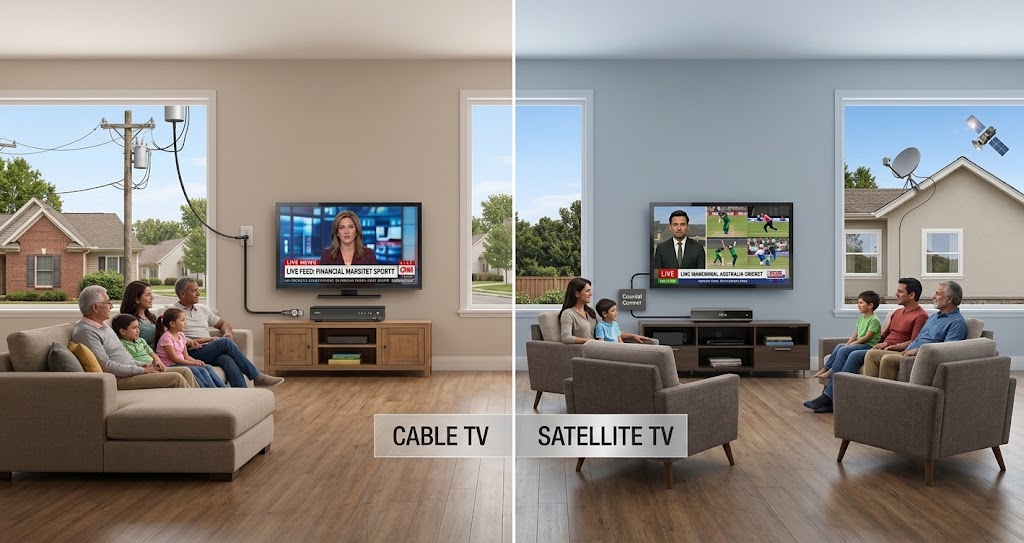
Technology also plays a direct role in how residents experience their communities. Reliable television, WiFi, telecommunications, and other digital services can help residents stay connected with family, access entertainment, and enjoy the conveniences they expect from modern living environments.
DIRECTV for senior living communities is one example of how technology can support the resident experience while fitting into a larger community technology strategy.
The broader goal of connected senior living technology is not to add technology for its own sake. It is to create an environment where the systems residents and staff depend on are reliable, accessible, and easier to manage.
That means resident-facing technology and behind-the-scenes infrastructure both deserve attention.

What CSS Brings To Senior Living Technology
Choosing technology is only part of the process. Communities also need installation, management, troubleshooting, and ongoing support. CSS works with senior living communities across a range of environments and provides technology services that can include:
- Managed WiFi
- Managed IT
- DIRECTV and entertainment solutions
- Nurse call systems
- Telecommunications
- Resident safety technology
- Professional planning and installation
- Ongoing technical support
CSS supports senior living communities with technology planning, installation, management, and ongoing technical support. For communities managing multiple technology needs, having a coordinated technology partner can simplify planning and ongoing support.
What Should Senior Living Communities Watch Next?
The next phase of senior living technology will continue moving toward connected infrastructure, smarter workflows, stronger wireless networks, and technology that supports both residents and staff. AI will remain an area to monitor, but communities should evaluate emerging tools based on practical needs, security, integration, and measurable value.
At the same time, foundational technologies such as WiFi, telecommunications, nurse call, managed IT, and resident entertainment will continue to play an important role.
The most important consideration is not simply how much technology a community has. It is whether that technology works reliably and supports the people who depend on it.
Build A More Connected Senior Living Community With CSS
Technology is becoming an increasingly important part of the senior living experience. From reliable WiFi and nurse call systems to managed IT, telecommunications, entertainment, and emerging AI applications, communities need infrastructure that can support today’s requirements while preparing for tomorrow’s needs.
The most effective approach is to evaluate technology as a connected environment rather than a collection of individual products.
CSS brings planning, installation, management, and ongoing technical support together for senior living communities. This gives operators a practical way to evaluate their technology needs and develop a path forward.
As senior living technology trends continue to evolve in 2026, communities can focus on building reliable foundations first and adding new capabilities strategically. To discuss your community’s technology needs, talk with a senior living technology specialist.
FAQs
What are the biggest senior living technology trends for 2026?
Managed WiFi, AI, nurse call systems, connected care, managed IT, and digital entertainment are key trends.
Why is WiFi important in senior living communities?
Reliable WiFi supports resident connectivity, staff workflows, smart devices, and other connected technologies.
How is AI being used in senior living communities?
AI can support administrative tasks, data analysis, documentation, scheduling, and workflow automation.
What technology should senior living communities invest in first?
Communities should first evaluate their infrastructure, connectivity, security, and essential technology needs.
How can senior living communities integrate multiple technology systems?
Coordinated planning can help WiFi, nurse call, telecommunications, IT, and other systems work together effectively.