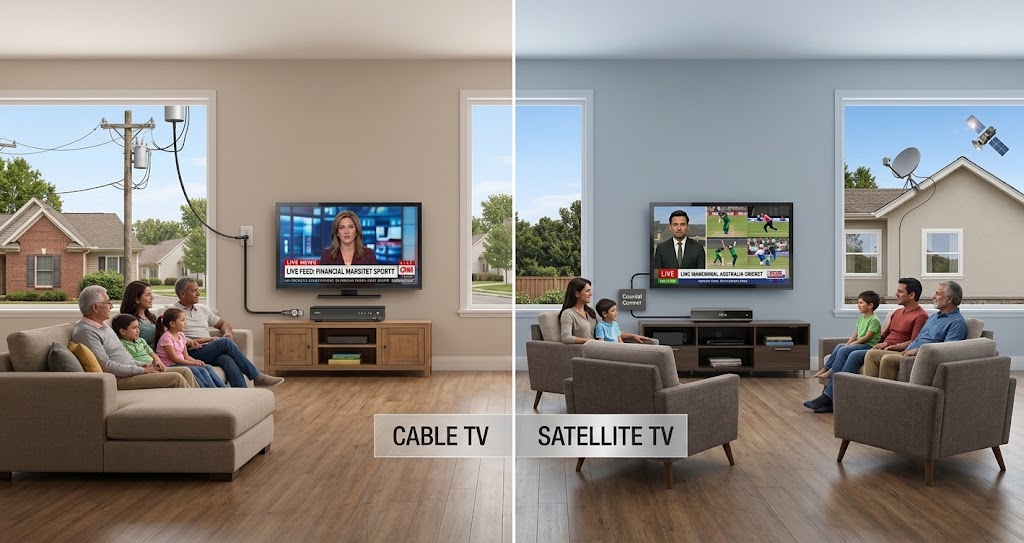
Technology continues to reshape how people consume entertainment, and senior living communities are no exception. Residents today expect reliable television access, easy navigation, live sports, news coverage, and flexible entertainment experiences that feel familiar yet modern.
For senior living operators, choosing between DIRECTV satellite vs streaming has become an important decision in 2026. Both options offer unique advantages, but the best choice depends on factors like reliability, cost, accessibility, infrastructure, resident preferences, and long-term scalability.
In this guide, we’ll break down everything senior living communities need to know about DIRECTV streaming vs satellite, including pricing differences, user experience, maintenance considerations, and which solution delivers the best resident satisfaction in modern care environments.
Why Entertainment Matters in Senior Living Communities
Television is more than entertainment for seniors. It is often a daily source of:
- News and current events
- Sports and live programming
- Social connection
- Relaxation and comfort
- Familiar routines
- Educational content
In senior living environments, a dependable TV experience contributes significantly to overall resident satisfaction and quality of life. That’s why many facilities carefully evaluate DIRECTV streaming vs DIRECTV satellite solutions before upgrading their entertainment systems.
Understanding DIRECTV Satellite vs Streaming
Before comparing both options, it’s important to understand how each service works.
What Is DIRECTV Satellite?
DIRECTV Satellite uses satellite dishes installed on-site to deliver television programming directly to receivers. This traditional DIRECTV setup has been widely used in:
- Senior living communities
- Hotels
- Hospitals
- Commercial properties
- Residential homes
Satellite television is known for reliable live channel delivery and broad nationwide availability.
What Is DIRECTV Streaming?
DIRECTV Streaming delivers television content through an internet connection rather than satellite hardware. Instead of relying on dish installations, streaming uses:
- Smart TVs
- Streaming devices
- Cloud-based content delivery
- Internet-connected receivers
As internet infrastructure improves, many communities are now evaluating streaming vs satellite tv directv options for long-term flexibility.
DIRECTV Satellite vs Streaming: Key Differences in 2026
1. Reliability & Signal Stability
Reliability is one of the biggest considerations for senior living communities.
DIRECTV Satellite Advantages
Satellite systems remain extremely reliable for live television, especially for:
- Sports broadcasts
- News channels
- Live events
- Rural locations with weak internet infrastructure
Satellite TV can continue functioning even during internet outages.
DIRECTV Streaming Advantages
Streaming provides flexibility but depends heavily on internet quality. If bandwidth issues occur, users may experience:
- Buffering
- Delayed streams
- Reduced video quality
- Playback interruptions
For facilities with enterprise-grade internet, streaming reliability has improved significantly in 2026.
2. Ease of Use for Senior Residents
Senior accessibility is essential when comparing directv satellite vs directv streaming systems.
Satellite Systems Feel More Familiar
Many senior residents are already comfortable with traditional channel-based television systems. Satellite interfaces often offer:
- Simple remote navigation
- Familiar channel numbers
- Easier live TV browsing
- Minimal technical learning curve
This familiarity can reduce frustration for residents who prefer straightforward television experiences.
Streaming Interfaces Offer Modern Flexibility
Streaming platforms provide:
- Voice controls
- Personalized recommendations
- On-demand content
- App integrations
However, some streaming menus may feel more complex for seniors unfamiliar with smart TV ecosystems. Communities focused on simplicity often continue favoring satellite-based systems for this reason.
3. DIRECTV Streaming vs Satellite Cost Comparison
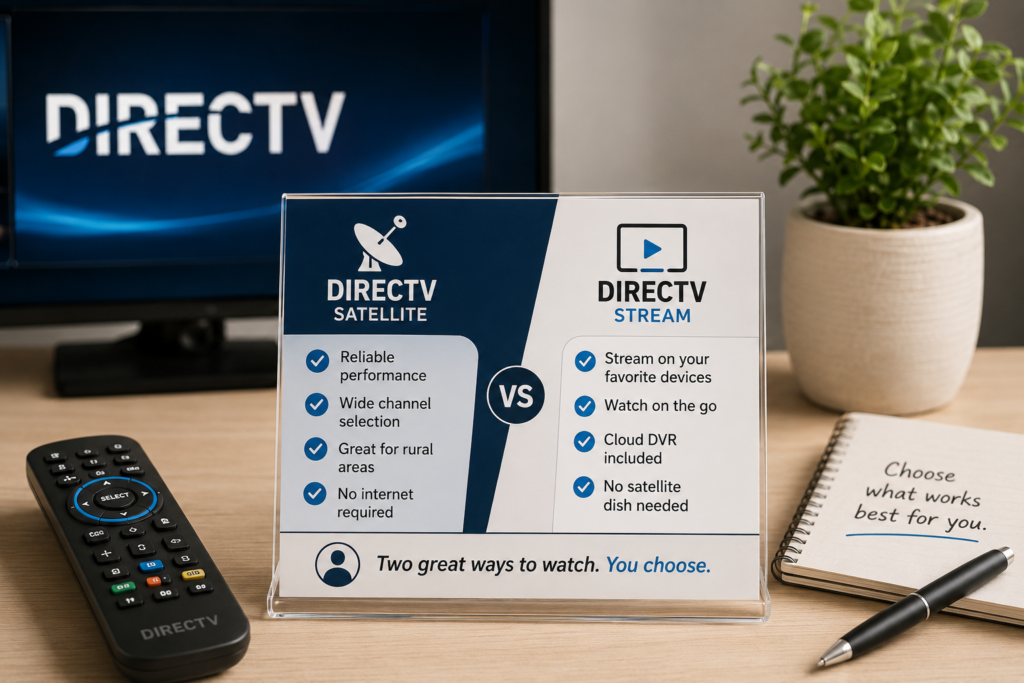
When comparing DIRECTV streaming vs satellite cost, pricing can vary significantly depending on the size and technical needs of the senior living community. Key cost factors include:
- Number of residents
- Building infrastructure
- Internet capacity
- Equipment requirements
- Commercial licensing needs
- Ongoing maintenance and support
Here’s a simplified comparison of estimated costs and operational considerations for both solutions in 2026:
| Feature | DIRECTV Satellite | DIRECTV Streaming |
| Initial Setup Cost | Moderate to High | Low to Moderate |
| Estimated Installation Cost | $3,000–$15,000+ depending on property size | $1,500–$10,000+ depending on network upgrades |
| Hardware Requirements | Satellite dishes, receivers, cabling | Smart TVs, streaming devices, routers |
| Internet Dependency | Minimal | Very High |
| Monthly Operational Costs | Predictable service fees | Internet + streaming service costs |
| Maintenance Needs | Hardware servicing | IT/network management |
| Scalability | Excellent for large properties | Easier for modern smart facilities |
| Reliability During Internet Outages | Strong | Limited |
| Best For | Traditional TV-focused communities | Tech-forward communities |
Which Option Is More Affordable in 2026?
When evaluating directv streaming vs satellite price, the answer depends largely on the property’s existing technology setup.
Satellite May Be Better If:
- The property already has satellite infrastructure
- Internet connectivity is inconsistent
- Residents prefer traditional TV navigation
- The community prioritizes live TV reliability
Streaming May Be Better If:
- Strong fiber internet is already installed
- Residents want on-demand content
- The property is building a modern smart-living experience
- Flexibility and scalability are priorities
4. Content & Channel Availability
Both services offer extensive programming options, including:
- News channels
- Sports networks
- Entertainment channels
- Premium movie packages
- Religious programming
- International channels
However, streaming platforms may provide faster integration with:
- On-demand libraries
- Cloud DVR
- Personalized profiles
- Mobile viewing
Meanwhile, satellite often delivers more consistent live sports experiences with less latency.
5. Weather & Environmental Impact
Weather considerations still matter in 2026.
Satellite Challenges
Extreme storms, heavy rain, or severe weather can occasionally affect satellite signal quality. This is one of the most commonly discussed concerns when comparing streaming vs satellite directv services.
Streaming Challenges
Streaming systems are more vulnerable to:
- Internet outages
- Network congestion
- Router failures
- Bandwidth limitations
Ultimately, both systems have infrastructure dependencies, but the type of risk differs.
6. Installation & Maintenance Requirements
Satellite Installation
Satellite systems require:
- Dish mounting
- Receiver setup
- Structured cabling
- Professional installation
However, once installed, maintenance is often centralized and manageable.
Streaming Installation
Streaming solutions may appear simpler initially, but large senior communities often require:
- Enterprise Wi-Fi deployment
- Network security systems
- Device management
- Ongoing IT monitoring
For communities lacking strong IT support, satellite can sometimes remain the easier operational solution. 70% of U.S. adults say streaming is now their default viewing option.
Why Many Senior Living Communities Still Choose Satellite
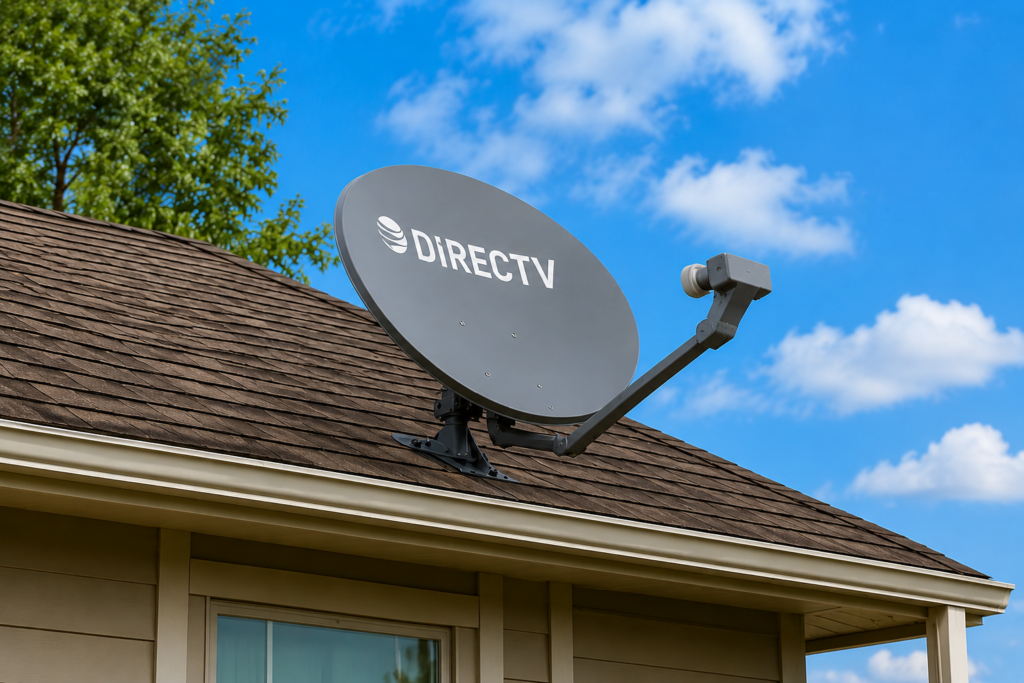
Despite streaming growth, many senior living providers continue preferring satellite television because it offers:
- Consistent live TV performance
- Familiar viewing experiences
- Simplified resident navigation
- Lower learning barriers
- Reliable sports and news access
In environments where ease of use matters more than advanced customization, satellite systems continue performing extremely well.
Why Streaming Adoption Is Growing in 2026
At the same time, streaming adoption continues accelerating due to:
- Improved internet infrastructure
- Smart TV adoption
- Demand for personalized entertainment
- Voice-assisted controls
- Flexible viewing options
Newer senior living developments increasingly explore hybrid entertainment models combining both technologies. 83% of U.S. adults now use streaming services, while only 36% subscribe to cable or satellite TV (Pew Research Centre).
Hybrid DIRECTV Solutions: The Best of Both Worlds?
Many facilities no longer view the debate as strictly DIRECTV satellite vs streaming 2026. Instead, some communities combine both systems:
- Satellite for live TV reliability
- Streaming for on-demand flexibility
- Shared smart TV environments
- Personalized resident entertainment
This hybrid model helps facilities satisfy diverse resident preferences. Some professional service providers like CSS also provide this facility.
How to Choose the Right Option for Your Senior Living Community
When deciding between directv satellite vs directv streaming, operators should evaluate:
1. Resident Preferences
Resident comfort and familiarity should play a major role in the decision-making process. Many seniors prefer traditional channel-based TV navigation, while others may enjoy the flexibility of streaming platforms with on-demand content and voice controls. Understanding resident viewing habits can help communities choose a system that improves overall satisfaction.
2. Infrastructure
Streaming services depend heavily on strong and stable internet connectivity across the entire property. Communities with outdated network infrastructure may need costly upgrades, while properties with modern fiber internet can support streaming more efficiently. Satellite systems, meanwhile, require less dependence on internet performance.
3. Budget
When comparing DIRECTV streaming vs satellite cost, it’s important to evaluate both short-term and long-term expenses. Satellite systems may involve higher installation costs, while streaming solutions can require ongoing internet upgrades and IT management. The right choice depends on the community’s financial priorities and future scalability plans.
4. Technical Support
Streaming platforms often require more technical oversight, including network monitoring, software updates, and device management. Satellite systems are generally simpler to maintain after installation. Communities with limited IT support may find satellites easier to manage operationally.
5. Reliability Needs
Reliable television access is especially important in senior living communities where residents depend on TV for news, entertainment, and daily routines. Satellite TV is often considered more dependable for live programming, while streaming quality depends on internet stability and bandwidth availability.
The Future of Senior Living Entertainment
Entertainment technology in senior living continues evolving rapidly. Future systems will likely include:
- AI-powered voice navigation
- Personalized content recommendations
- Integrated telehealth entertainment hubs
- Interactive wellness programming
- Unified smart-room experiences
As technology advances, both satellite and streaming solutions will continue improving.
Final Thoughts
The debate around DIRECTV satellite vs streaming is becoming increasingly important for senior living communities in 2026. Both technologies offer meaningful advantages, but the ideal solution depends on resident expectations, infrastructure readiness, operational priorities, and long-term goals.
For communities prioritizing reliability, familiarity, and ease of use, satellite television remains a strong choice. For facilities embracing digital transformation and personalized entertainment, streaming offers greater flexibility and modern features.
In many cases, the smartest strategy may not be choosing one over the other, but creating a balanced entertainment experience that combines the strengths of both. Contact us today and let us facilitate you in installation of your desired entertainment service.
FAQs About DIRECTV Satellite vs Streaming
1. What is the difference between DIRECTV satellite vs streaming?
DIRECTV Satellite delivers TV channels through satellite dishes and receivers, while DIRECTV Streaming uses an internet connection to stream content. Satellite is ideal for traditional live TV viewing, while streaming offers more flexibility and on-demand access.
2. Which is more reliable for senior living communities?
Satellite TV is generally more reliable because it does not rely heavily on internet connectivity. Streaming quality depends on stable, high-speed internet across the property.
3. Is DIRECTV streaming cheaper than satellite?
Streaming can lower some hardware costs, but internet upgrades and IT support may increase overall expenses. Satellite systems often have higher installation costs but more predictable long-term pricing.
4. Which option is easier for seniors to use?
Many seniors prefer satellite TV because of its familiar channel-based navigation and simpler remote controls. Streaming platforms may require more comfort with smart TV technology and apps.
5. Can senior living communities use both satellite and streaming?
Yes. Many communities now use hybrid setups that combine satellite reliability with streaming flexibility and on-demand entertainment features.