Selecting the right TV service for an assisted living facility plays an important role in enhancing resident satisfaction, supporting daily operations, and creating a comfortable living environment. As expectations continue to evolve, communities need reliable, easy-to-manage commercial TV solutions that provide quality programming, professional support, and long-term scalability.
Whether you’re opening a new facility or upgrading an existing system, choosing the right provider requires evaluating factors such as programming, installation, infrastructure, and ongoing support. Communities exploring DIRECTV for Assisted Living Facilities can benefit from commercial television systems designed specifically for senior living, helping simplify management while delivering a better viewing experience for residents.
This guide explains the key considerations to help you choose the best solution for your community.
Why TV Service Matters in Assisted Living
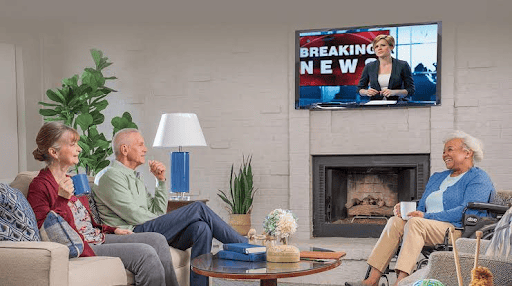
Television remains one of the most frequently used amenities in assisted living communities. It provides entertainment, keeps residents connected to local and national news, allows them to follow favorite sports teams, and creates opportunities for relaxation throughout the day.
Beyond individual enjoyment, television also supports community engagement. Shared viewing experiences during sporting events, holiday specials, movie nights, and educational programming often encourage social interaction among residents.
For operators, investing in reliable television service can contribute to:
- Higher resident satisfaction
- A more home-like living environment
- Better community amenities
- Reduced maintenance issues
- Simplified technology management
As families compare assisted living communities, quality entertainment has become one of the amenities that contributes to the overall resident experience.
What Is the Best TV Service for an Assisted Living Facility?
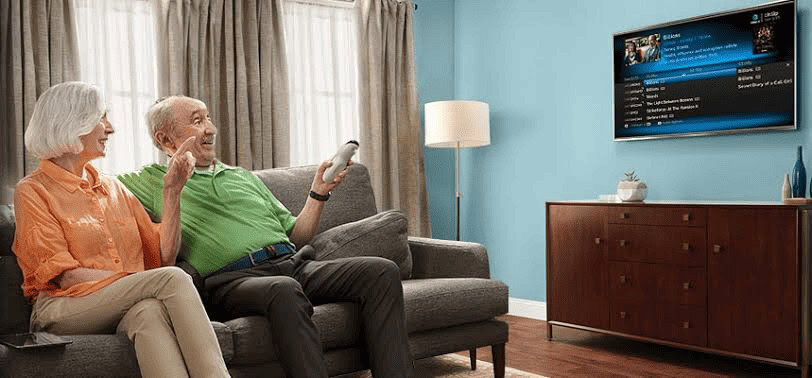
There isn’t a single answer that fits every community because every property has different infrastructure, resident expectations, and operational goals. However, the best TV for assisted living typically shares several important characteristics.
A quality commercial television solution should provide:
- Reliable television service
- Broad channel selection
- Easy-to-use navigation
- Professional installation
- Centralized account management
- Commercial-grade equipment
- Ongoing technical support
- Scalability for future expansion
Unlike residential television plans, commercial systems are designed to support dozens or even hundreds of resident rooms while maintaining consistent service across the property. For this reason, many operators choose commercial providers instead of managing multiple residential accounts.
Commercial TV vs. Residential TV: What’s the Difference?
One of the biggest mistakes communities make is assuming residential television service can meet the needs of an assisted living facility.
Although residential plans may appear less expensive initially, they often lack the infrastructure, account management, and support required for commercial environments.
| Commercial TV for Assisted Living | Residential TV Service |
| Centralized account management | Individual resident accounts |
| Professional commercial installation | Residential installation |
| Designed for multi-room properties | Designed for single homes |
| Commercial-grade equipment | Consumer equipment |
| Easier ongoing management | Multiple separate bills |
| Scalable for future growth | Limited scalability |
For assisted living communities, commercial TV offers greater operational efficiency while delivering a more consistent viewing experience for residents.
Cable vs. Satellite TV for Assisted Living
Another common question administrators ask is whether cable TV or satellite television for assisted living systems provides the better long-term solution.
Both options have advantages, but the right choice depends on the property’s infrastructure and operational requirements.
Cable Television
Cable systems typically use local cable infrastructure and may work well in certain urban areas.
Advantages include:
- Existing cable availability
- Familiar installation process
- Internet bundle opportunities
However, cable availability and channel offerings can vary by region.
Satellite Television
Satellite television, including DIRECTV for assisted living facilities, remains a popular choice because it offers consistent programming across locations and doesn’t rely solely on local cable infrastructure.
Benefits often include:
- Extensive channel selection
- Reliable sports programming
- National coverage
- Commercial deployment options
- Flexible programming packages
Communities with multiple buildings or campuses often appreciate the scalability and consistency that satellite solutions provide.
What Channels Do Assisted Living Residents Watch Most?

Programming preferences vary by community, but most assisted living residents regularly watch a combination of news, entertainment, lifestyle programming, and live sports.
The most commonly requested channels typically include:
- Local news stations
- National news networks
- Classic television channels
- Major broadcast networks
- Movie channels
- Lifestyle programming
- Educational content
- Live sports networks
Offering a balanced channel lineup helps communities meet the diverse interests of their residents while creating opportunities for shared viewing events in common areas.
Factors to Consider When Choosing a TV Service Provider
Selecting the right TV service for an assisted living facility involves more than comparing channel packages. A commercial TV provider should be able to deliver a solution that supports both residents and staff while adapting to your community’s future needs.
Here are the key factors to evaluate before making a decision.
1. Reliability and Service Quality
Residents expect television to be available throughout the day without interruptions. A provider with reliable service, professional support, and commercial-grade infrastructure can help minimize downtime and maintenance issues.
2. Programming Options
Every community has different viewing preferences. Look for a provider that offers flexible channel packages, including local stations, news, entertainment, movies, lifestyle programming, and live sports. The ability to customize programming helps ensure residents have access to the content they enjoy most.
3. Professional Installation
Installing television service across dozens or hundreds of resident rooms requires careful planning. An experienced commercial provider can assess your property’s infrastructure, recommend the right equipment, and complete installation with minimal disruption to residents.
4. Scalability
Your television system should be able to grow with your community. Whether you’re renovating, adding new resident rooms, or expanding to multiple buildings, choosing a scalable solution helps protect your long-term investment.
5. Ongoing Support
Responsive technical support is essential for minimizing service interruptions. Providers that offer ongoing maintenance and troubleshooting can help ensure residents continue to enjoy a reliable viewing experience.
How Much Does TV Cost Per Room in an Assisted Living Facility?
One of the most common questions operators ask is how much television service costs on a per-room basis. The answer depends on several factors, and there is no standard rate that applies to every community.
Commercial TV pricing is typically influenced by:
- Number of resident rooms
- Common-area televisions
- Programming package
- Equipment requirements
- Building infrastructure
- Installation complexity
- Contract terms
Rather than focusing solely on a per-room price, commercial providers evaluate the property’s overall requirements to recommend the most appropriate system. This approach ensures communities receive a solution that aligns with their operational needs instead of paying for unnecessary equipment or services.
Does an Assisted Living Facility Need a Commercial TV License?

Yes. In most cases, assisted living communities should use commercial television services rather than residential subscriptions.
Residential TV plans are intended for private homes and are generally not designed for commercial environments where programming is provided across multiple resident rooms and shared spaces. Commercial television solutions are built to meet the operational requirements of assisted living communities while providing centralized account management, professional installation, and ongoing support.
Working with a commercial provider also helps ensure your television system is appropriate for your property’s size and intended use.
Why DIRECTV Is a Strong Choice for Assisted Living Communities
Many operators choose DIRECTV for assisted living facilities because it combines dependable television service with commercial features designed for senior living environments.
Some of the key advantages include:
- Extensive channel lineups
- Reliable live sports coverage
- Commercial-grade equipment
- Professional installation
- Centralized account management
- Flexible programming packages
- Scalable deployment for growing communities
For communities looking to create a more engaging resident experience, DIRECTV offers a dependable solution that can be customized to match the property’s size, infrastructure, and entertainment goals.
Many providers also choose to combine television with managed WiFi for senior living to create a connected environment that supports residents, staff, and smart technologies across the community.
Creating a Better Resident Experience Through Entertainment
Television is only one part of a modern resident experience. Communities that combine reliable TV service with internet connectivity, digital amenities, and shared entertainment spaces are often better positioned to meet resident expectations.
Comprehensive senior living entertainment solutions can enhance daily life by supporting resident engagement, simplifying technology management, and creating more opportunities for social interaction throughout the community.
As technology continues to evolve, investing in a scalable commercial television system helps ensure your community is prepared for future resident needs.
Final Thoughts
Choosing the right TV service for an assisted living facility is about finding a solution that balances resident satisfaction, operational efficiency, and long-term value. By evaluating factors such as programming, reliability, installation, support, and scalability, communities can make informed decisions that benefit both residents and staff.
Whether you’re replacing an aging television system or planning a new installation, partnering with an experienced commercial provider can simplify the process. CSS specializes in DIRECTV for Assisted Living Facilities, helping communities implement customized TV solutions that deliver reliable entertainment, professional installation, and ongoing support tailored to senior living environments.
Frequently Asked Questions
1. What TV service is best for assisted living facilities?
The best TV service offers reliable programming, commercial-grade equipment, centralized management, and flexible channel packages designed for senior living communities.
2. How much does TV cost per room in an assisted living facility?
Pricing varies based on room count, equipment, programming, installation requirements, and property infrastructure. A customized assessment provides the most accurate estimate.
3. Does an assisted living facility need a commercial TV license?
Yes. Commercial television services are generally recommended because they are designed for multi-room properties and centralized management, unlike residential TV plans.
4. What channels do assisted living residents watch the most?
Residents commonly watch local and national news, major broadcast networks, classic television, movies, lifestyle programming, educational content, and live sports.
5. What is the difference between cable and satellite TV for assisted living?
Cable TV depends on local infrastructure, while satellite solutions like DIRECTV offer nationwide coverage, flexible programming, and commercial deployment options that can better support many assisted living communities.